Supplements for Athletes: Performance, Recovery & Endurance Chart
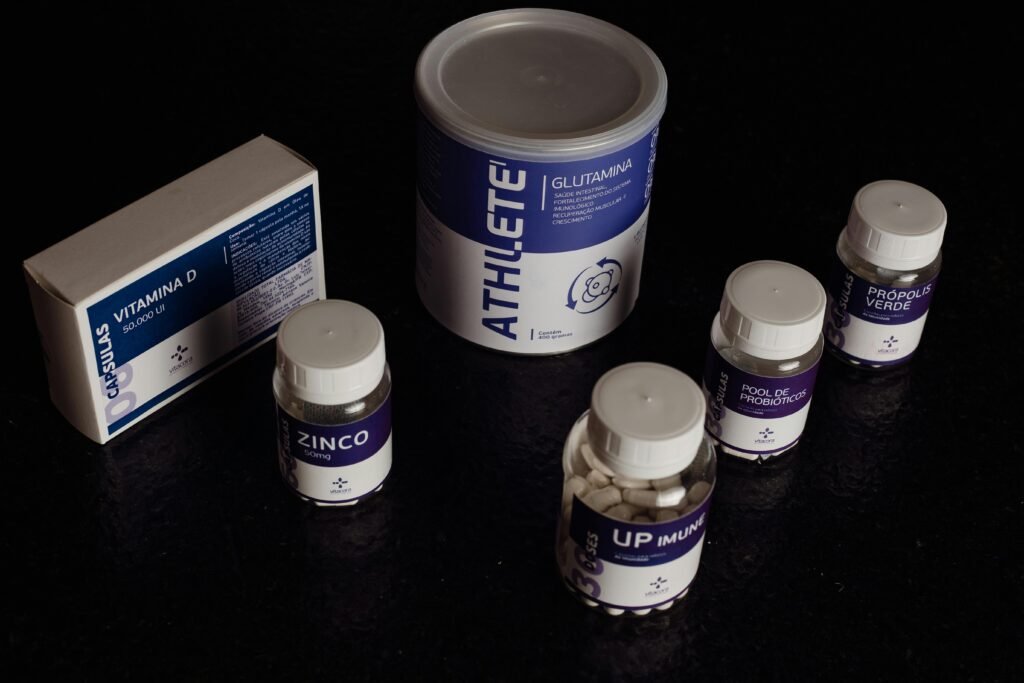









Athletes push their bodies harder than the average person. Intense training, frequent competitions, and limited recovery windows increase nutritional demands. While a balanced diet forms the foundation of athletic performance, supplementation can play a supportive role when used correctly. This is where supplements for athletes come into the picture—not as shortcuts, but as tools to optimize performance, recovery, and endurance.
This article breaks down key supplements used by athletes, explains how they work, and presents them in an easy-to-understand chart format for practical use.
Training stresses muscles, drains energy stores, and increases micronutrient losses through sweat and metabolism. Even well-planned diets may sometimes fall short due to time constraints, appetite changes, or high energy expenditure.
Athletes typically use supplements to:
Improve training performance
Speed up muscle recovery
Support endurance and stamina
Prevent nutrient deficiencies
The goal is not “more supplements,” but smart supplementation aligned with training demands.
When it comes to explosive strength, power, and high-intensity output, evidence-based supplements can help bridge small but meaningful gaps.
Among the best supplements for athletic performance, creatine stands out due to strong scientific support. Creatine for athletes helps replenish ATP, the body’s primary energy source for short bursts of intense activity like sprinting or weightlifting. When taken consistently, it can improve strength and training volume.
Protein also plays a performance-supporting role by maintaining lean muscle mass during heavy training blocks. Adequate protein for athletes ensures muscles are prepared to adapt and grow after repeated stress.
Recovery is where progress actually happens. Without proper recovery, performance plateaus and injury risk increases.
A quality recovery supplement typically focuses on muscle repair, inflammation control, and nervous system support. Protein supplements—especially whey protein for athletes—are popular because they provide fast-digesting amino acids that support muscle rebuilding after workouts.
Omega-3 fatty acids and magnesium are also considered good recovery supplements, particularly for athletes dealing with soreness, stiffness, or sleep disturbances. When combined with adequate calories and rest, these supplements help athletes bounce back faster.
Many athletes ask about the best recovery supplement, but the answer depends on training intensity, sport type, and overall diet. Often, a combination of protein and micronutrient support works better than a single product.
Endurance athletes face different challenges: glycogen depletion, dehydration, and cumulative fatigue. Carbohydrate supplements help maintain energy levels during prolonged activity, while electrolyte blends replace minerals lost through sweat.
Beetroot-derived nitrates and iron (when deficient) may also support oxygen delivery, which is critical for long-duration performance. These supplements are most effective when tested during training—not on competition day.
Heavy training increases the need for vitamins and minerals involved in energy metabolism, immunity, and bone health. A multivitamin for athletes can act as nutritional insurance, especially during calorie-restricted phases or intense competition schedules.
While multivitamins won’t directly improve speed or strength, they help prevent deficiencies that could quietly limit performance or recovery over time.
Supplements work best when built on a solid nutrition foundation. Whole foods provide fiber, antioxidants, and bioactive compounds that supplements cannot fully replicate.
Think of supplements as:
Athletes who rely solely on supplements without addressing sleep, training structure, and diet quality rarely see meaningful benefits.
Not all supplements are created equal. Athletes should:
Competitive athletes should also ensure supplements comply with anti-doping regulations.
Used correctly, supplements can support training performance, speed up recovery, and improve endurance capacity. From creatine and protein to electrolytes and micronutrients, the key lies in choosing supplements that match your sport, workload, and nutritional needs.
Rather than chasing trends, athletes should focus on consistency, evidence-based choices, and long-term health. When combined with proper training, sleep, and nutrition, supplementation becomes a useful ally—not a crutch—in athletic success.
Not all high-protein snacks support real recovery. This guide breaks down practical, balanced snack ideas that help muscle repair, sustain energy levels, and cut through misleading “high-protein” marketing, so you can choose foods that truly work for your lifestyle.