5 High Protein Snacks for Recovery That work efficiently
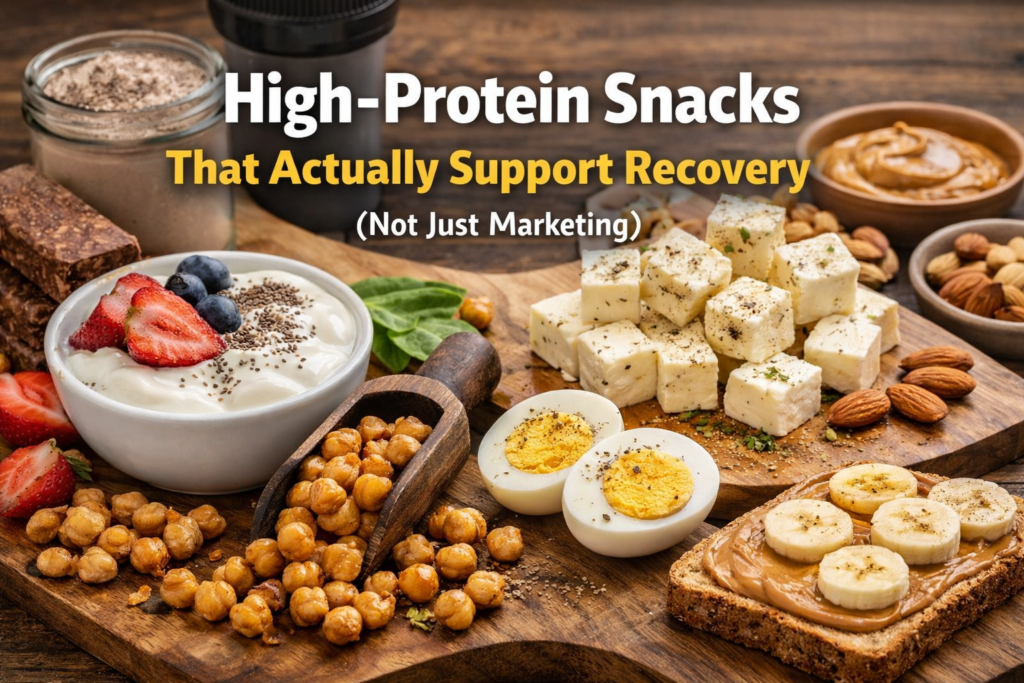
High protein snacks for recovery are everywhere today — and if you spend even a few minutes scrolling through fitness content, you’ll notice how almost everything claims to be “high protein snacks.” Bars, cookies, shakes, and even chips now wear that label like a badge of honor. But here’s the truth most people don’t talk about: not every high-protein snack actually supports recovery or fits your individual needs.
Recovery isn’t just about hitting a number on a nutrition label. It’s about how your body absorbs nutrients, how balanced the snack is, and whether it supports muscle repair without adding unnecessary stress to your system. If you’re an athlete, a gym beginner, or simply someone trying to eat better, choosing the right snacks can make a real difference in energy, performance, and long-term health.
Let’s break down what actually works — and what’s mostly marketing hype.
Table of Contents
Introduction: Why High-Protein Snacks Matter for Recovery
Why High Protein Snacks Matters Beyond Muscle Building
The Problem With “High-Protein” Marketing Claims
What Makes a High-Protein Snack Actually Effective?
Balanced Macronutrients
Digestibility
Nutrient Density
Portion Control
High-Protein Snack Ideas That Support Real Recovery
Greek Yogurt With Seeds or Fruit
Roasted Chickpeas or Chana
Paneer Cubes With Black Pepper
Peanut Butter With Whole-Grain Toast or Apple Slices
Boiled Eggs With Lemon and Salt
Post-Workout vs Rest-Day Snacks: What’s the Difference?
Common Mistakes People Make With High-Protein Snacks
Building a Sustainable High-Protein Snack Routine
Final Thoughts: Choosing Protein Wisely for Long-Term Health
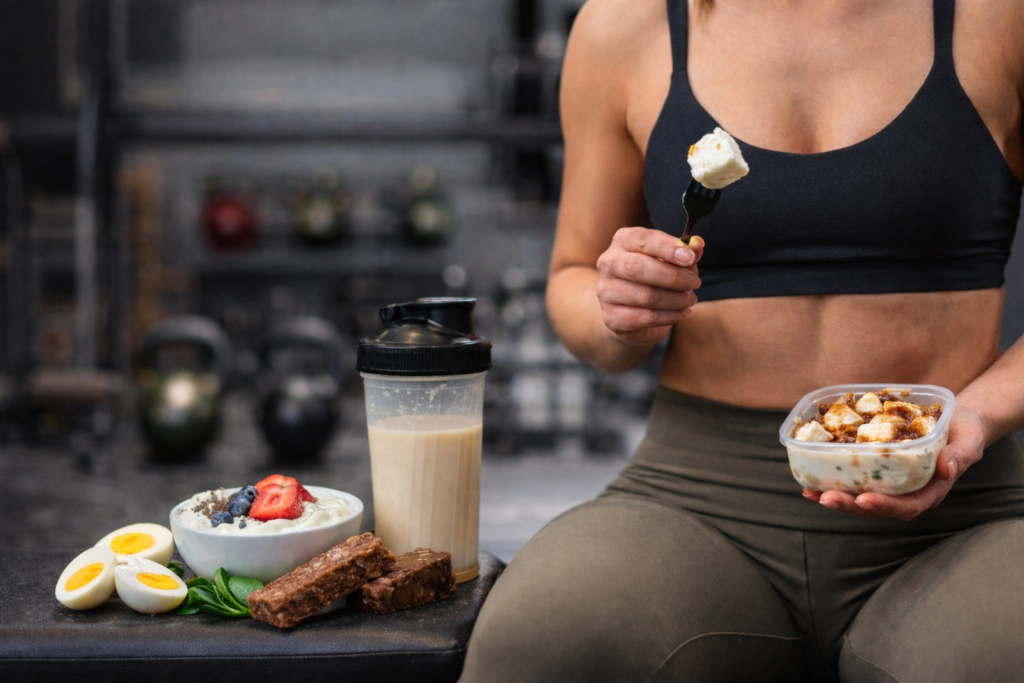
Why High Protein Snacks Matters for Recovery (Beyond Muscle Building)
Protein often gets reduced to a single purpose: building muscle. But recovery is far more complex than that.
After workouts or even long, physically demanding days, your body goes through micro-repair processes. High Protein Snack provides amino acids that help rebuild tissues, support immune function, and regulate hormones involved in recovery. Without enough protein, fatigue lasts longer and performance drops over time so high protein snacks for recovery are a must in diet.
However, more high protein snack isn’t always better. The body absorbs protein gradually, and pairing it with carbohydrates and healthy fats often improves recovery outcomes. That’s why the best snacks aren’t just protein-heavy — they’re nutritionally balanced.
The Problem With “Protein Marketing”
Many packaged snacks highlight big protein numbers but hide other issues:
Excess added sugar or artificial sweeteners
Highly processed ingredients
Poor fibre content
Low micronutrient value
A snack that contains 20 grams of protein but spikes blood sugar or causes digestive discomfort may not support real recovery. Instead of focusing only on grams of protein, look at the ingredient quality and how the food makes you feel afterward.
A good rule of thumb: if the ingredient list reads like a chemistry experiment, it’s probably not the best daily option.
What Makes a High-Protein Snack Actually Effective?
Not all protein sources are equal when it comes to recovery. The best snacks share a few key characteristics:
1. Balanced Macronutrients
High Protein Snacks works better when combined with slow-digesting carbs or healthy fats. Think yogurt with nuts, or boiled chickpeas with lemon and spices.
2. Digestibility
Whole foods are often easier on the stomach compared to heavily processed bars. High protein snacks for recovery foods should leave you feeling energised, not bloated.
3. Nutrient Density
Foods that also provide magnesium, potassium, iron, or vitamins help the body recover more efficiently.
4. Portion Control
You don’t need a massive snack every time. Even 15–20 grams of protein paired with fibre can be enough for most people.
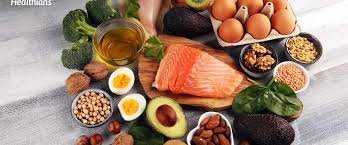
High-Protein Snack Ideas That Support Real Recovery
Here are practical options that go beyond trends and actually help your body recharge.
Greek Yogurt With Seeds or Fruit
Greek yogurt is naturally high protein snack and contains probiotics that support digestion. Adding chia seeds, pumpkin seeds, or berries improves fibre and antioxidant intake. This combination works well after light workouts or on rest days.
Roasted Chickpeas or Chana
Simple, affordable, and nutrient-dense, roasted chickpeas offer plant-based protein plus fibre that keeps energy levels stable. They’re also easy to prepare in batches, making them ideal for busy schedules.
Paneer Cubes With Black Pepper
Paneer provides slow-digesting casein protein, which supports overnight recovery if eaten in the evening. Pairing it with spices like black pepper or turmeric adds anti-inflammatory benefits and can help become one of the best High Protein Snack that can be consumed with delight.
Peanut Butter With Whole-Grain Toast or Apple Slices
Peanut butter alone is calorie-dense, but when combined with fibre-rich foods, it becomes a balanced recovery snack. The fats slow digestion, keeping you fuller for longer.
Boiled Eggs With a Pinch of Salt and Lemon
Eggs remain one of the most complete protein sources available. They’re easy to prepare, portable, and suitable for both athletes and beginners trying to improve their nutrition habits.
Post-Workout vs Rest-Day High Protien Snacks: Is There a Difference?
Yes, and understanding this can improve how you plan your meals.
After Workouts:
Your body benefits from a mix of protein and carbohydrates to replenish glycogen stores. Yogurt with fruit or eggs with toast can be effective choices.
On Rest Days:
The goal shifts toward maintenance rather than immediate recovery. Snacks with slower digestion — like paneer, nuts, or chickpeas — help maintain muscle repair without excessive calorie intake.
Many people underestimate rest-day nutrition, but it’s during recovery periods that your body adapts and grows stronger.

Common Mistakes People Make With High-Protein Snacks
Even with the best intentions, it’s easy to fall into habits that don’t actually support recovery.
Relying Only on Protein Bars
Convenience foods are helpful occasionally, but depending on them daily can reduce dietary variety and micronutrient intake.
Ignoring Hydration
Protein metabolism requires adequate water. Without it, you may feel sluggish or experience digestive discomfort.
Skipping Fibre
Protein alone won’t keep you satisfied. Fibre improves gut health and helps regulate energy levels throughout the day.
Eating Too Much Too Fast
Spacing protein intake across meals and snacks is generally more effective than consuming large amounts at once.
Building a Sustainable High-Protein Snack Routine
Instead of chasing every new trend, think about consistency. Recovery nutrition should fit naturally into your lifestyle, not feel like a strict rulebook.
Start by identifying two or three high protein snacks for recovery you genuinely enjoy. Keep the ingredients simple and accessible. Over time, you’ll notice which foods support your energy levels and which ones leave you feeling heavy or tired.
It also helps to rotate between plant-based and dairy or egg-based protein sources. This variety supports better nutrient intake and reduces the risk of dietary fatigue.
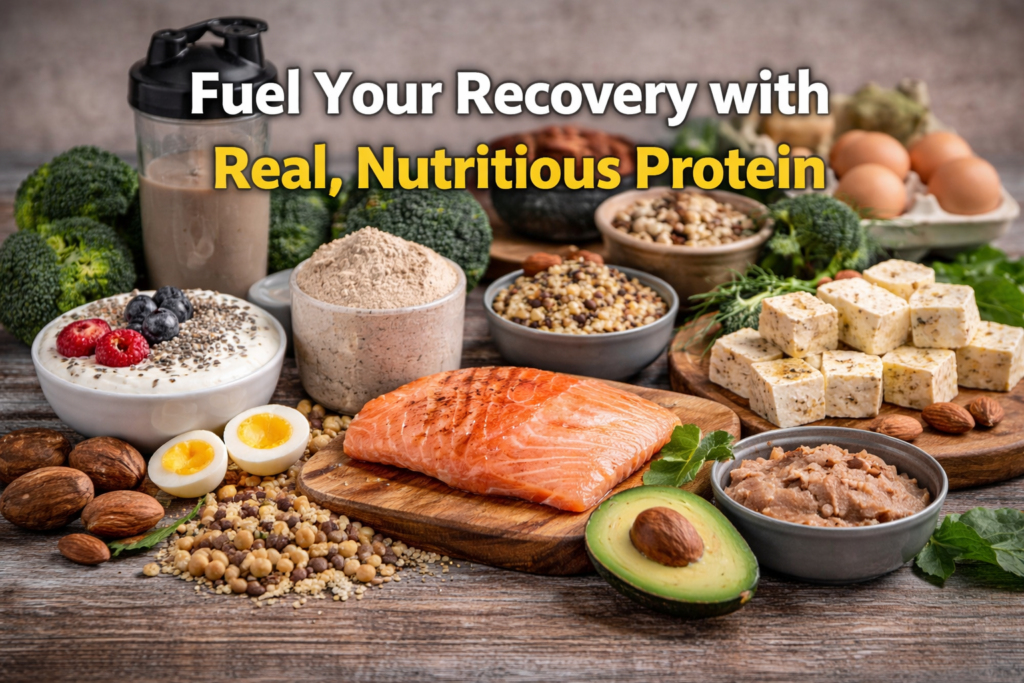
Final Thoughts
High protein snacks for recovery can absolutely support but only when chosen thoughtfully. Marketing often focuses on numbers, while real recovery depends on balance, quality, and how well the food works with your body.
Instead of chasing the highest protein label on the shelf, focus on whole foods, simple combinations, and snacks that leave you feeling stable and energised. Recovery isn’t about perfection; it’s about building small, consistent habits that support long-term health.
Balanced nutrition goes beyond simply increasing protein intake it’s about choosing diverse, minimally processed foods that support overall health and recovery. According to global nutrition guidance, a healthy diet should focus on balance, moderation, and variety rather than relying heavily on marketed products. Exploring reliable health resources can help you understand how protein fits into a broader lifestyle that prioritizes long-term well-being, not just short-term fitness trends.
When you start viewing protein as part of a broader lifestyle rather than a single nutrient to maximise your nutrition becomes more sustainable, and your progress becomes easier to maintain.