
PCOS & PCOD Management for Busy Women: A Practical Guide to Healthy Living

PCOS is one of the most common hormonal disorders affecting women and young girls today. In a world driven by deadlines, screen time, and constant pressure, women often ignore early signs of hormonal imbalance. Conditions like PCOS and PCOD are no longer limited to a specific age group and are increasingly seen in teenagers, working professionals, and even school-going girls.
However, with the right lifestyle choices, even women living a busy and hectic life can manage symptoms and lead a healthy, balanced life.
PCOD Full Form and Understanding PCOS Causes
The PCOD full form is Polycystic Ovarian Disease, while PCOS stands for Polycystic Ovary Syndrome. Both conditions are linked to hormonal imbalance and insulin resistance,

Women with PCOS or PCOD often experience irregular periods, weight gain, acne, hair fall, fatigue, and mood swings. These symptoms are closely connected to lifestyle patterns, making daily habits a crucial part of treatment.
How a Busy Lifestyle Worsens PCOS and PCOD

Fast-paced living often leads to skipped meals, dependence on processed foods, long sitting hours, and disturbed sleep. Stress levels remain high, increasing cortisol, which directly affects insulin and reproductive hormones. Over time, this worsens PCOS symptoms and makes recovery slower.
The solution is not extreme dieting or intense workouts, but small, sustainable changes that fit into daily routines.
Beginners friendly PCOS & PCOD Yoga for Hormonal Balance
Yoga plays a powerful role in managing PCOS and PCOD naturally.
Even 15 minutes of daily movement can help regulate periods, improve energy levels, and support weight management when practiced consistently.

Below are some highly recommended yoga for PCOD and PCOS, which can easily be practiced in a 15-minute daily routine:
Baddha Konasana (Butterfly Pose) – Stimulates ovarian function and supports menstrual regularity
Malasana (Yogic Squat) – Improves digestion and metabolism, helpful for hormonal balance
Bhujangasana (Cobra Pose) – Strengthens reproductive organs and reduces fatigue
Setu Bandhasana (Bridge Pose) – Supports hormonal balance and thyroid function
Supta Baddha Konasana – Deeply relaxing pose that reduces cortisol and stress
Balasana (Child’s Pose) – Calms the mind and relieves mental pressure
Anulom Vilom Pranayama – Improves oxygen flow and balances hormones
These yoga poses to cure PCOS are gentle, effective, and ideal for beginners when practiced regularly.
Avoid Food in PCOD and PCOS
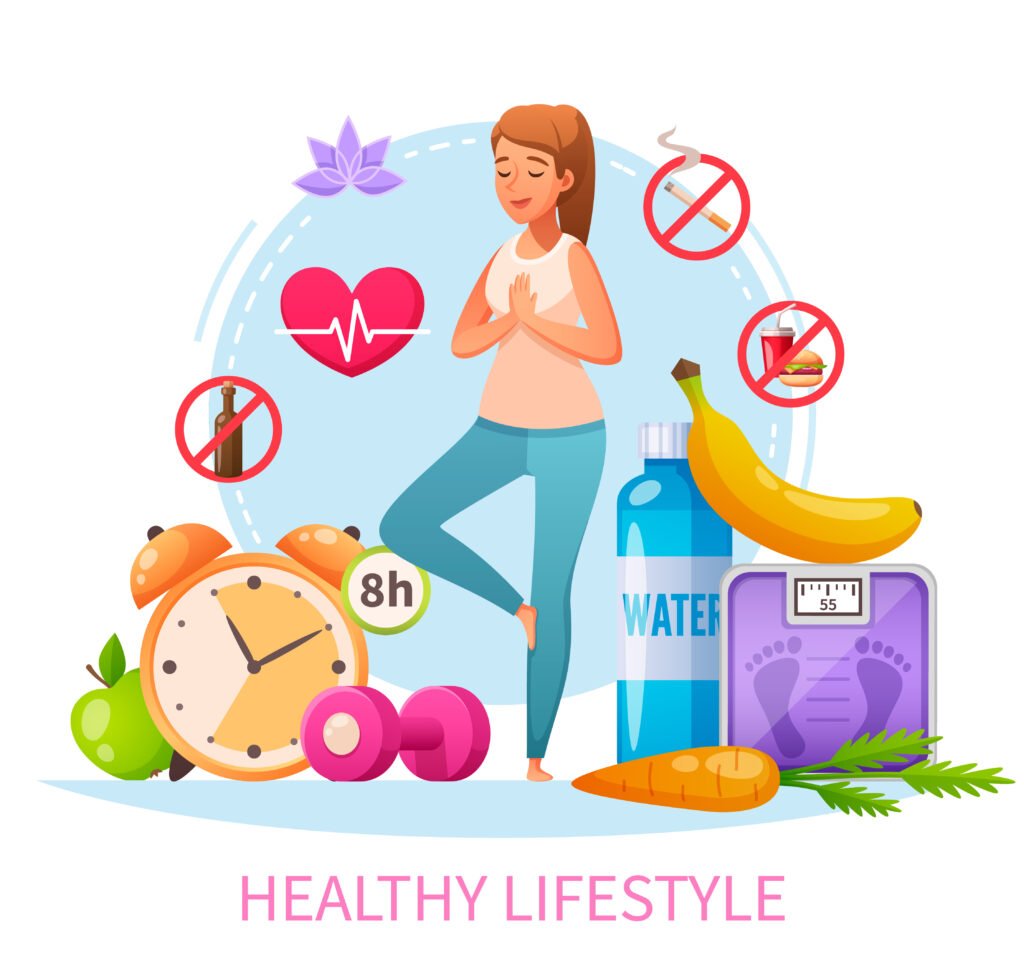
Diet plays a major role in managing PCOS and PCOD. A balanced PCOD diet chart focuses on stabilizing blood sugar levels and reducing inflammation. Whole grains, fiber-rich foods, lean proteins, healthy fats, vegetables, and fruits in moderation help regulate hormones naturally.
Along with healthy food choices, it is important to limit certain foods. Refined sugar, maida-based products, fried foods, packaged snacks, sugary drinks, and excess caffeine worsen insulin resistance and hormonal imbalance.
Reducing these foods and choosing clean, nourishing meals can significantly improve PCOS symptoms over time.
Stress Management: The Missing Link in PCOS Healing
Stress is one of the biggest but most ignored triggers of hormonal imbalance. Constant mental pressure increases cortisol, which directly affects reproductive hormones. Simple habits such as deep breathing, mindful breaks, quality sleep, and reduced screen time can help manage stress effectively.
Healing PCOS requires calming both the mind and the body.
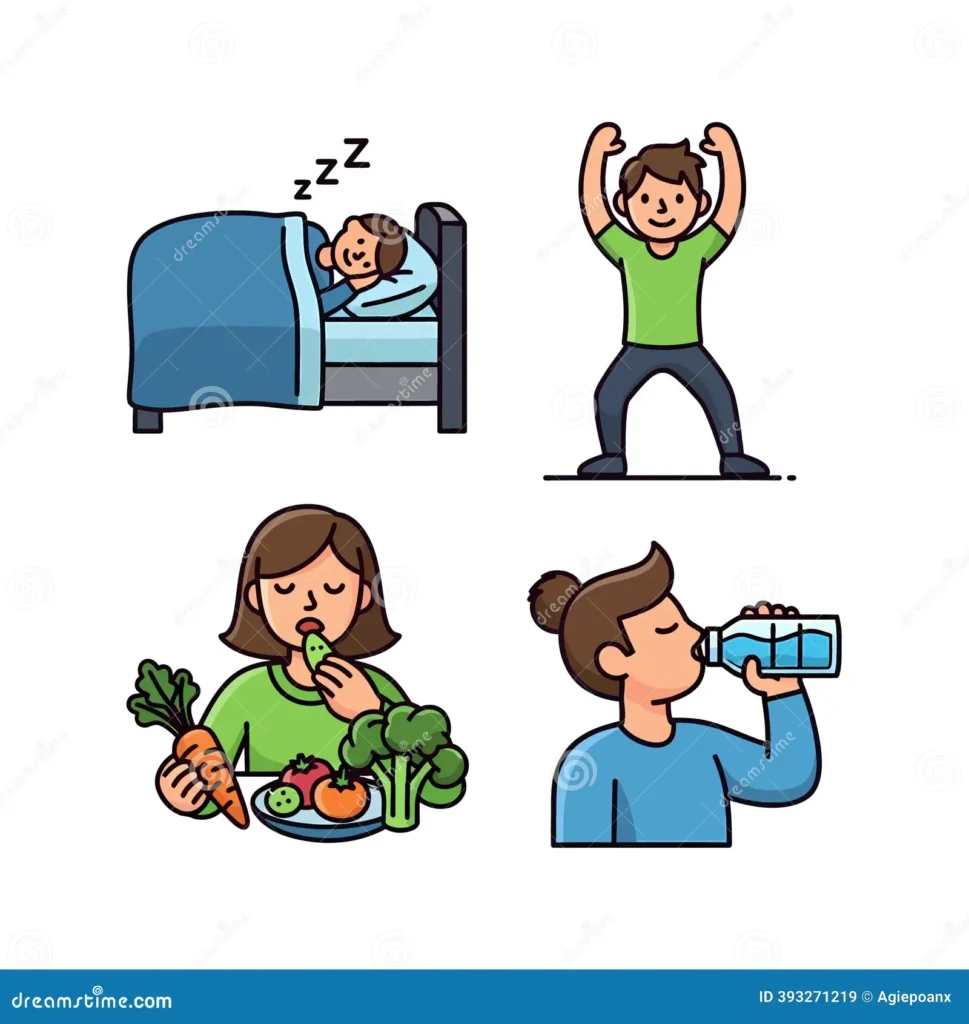
Managing PCOS or PCOD in a fast-paced lifestyle is challenging but completely possible. With PCOS exercise at home, regular PCOD yoga, a balanced PCOD diet chart, and mindful stress management, women can take control of their hormonal health naturally.
Consistency matters more than perfection. Even small daily efforts can lead to long-term hormonal balance and a healthier, happier life.