
Why Self-Care Is Essential for Holistic Wellbeing
This is not a made-up story. It is the lived reality of most people around us—one that often goes unnoticed, unspoken, and ignored.
Before we go any further, pause for a moment and ask yourself:
- Do you truly know what self-care means?
What did you do today—or yesterday—to take care of yourself?
When was the last time you genuinely prioritized your own wellbeing?
Do you follow any self-care rituals, or does life always come first?
Now, take a moment to ask these same questions to the people you love. You may already see the pattern.
In today’s fast-paced world, where everyone is constantly rushing, hustling, and sacrificing, self-care for holistic wellbeing quietly falls through the cracks. Rest is mistaken for laziness. Saying “no” feels uncomfortable. Choosing solitude feels selfish. Slowly, without realizing it, we stop showing up for ourselves.
But here’s a truth worth remembering: Self-care is not selfish—it is essential. It is not about escape or indulgence; it is about survival, balance, and long-term wellbeing. This guide will help you understand what self-care truly is, why it is important for mental and emotional health, and how simple, mindful daily practices can support holistic wellbeing starting today.
What Self-Care Really Means (And What It Doesn’t)
Self-care refers to the ability of individuals, families, and communities to promote health, prevent disease, maintain health, and cope with illness, with or without the support of healthcare professionals.
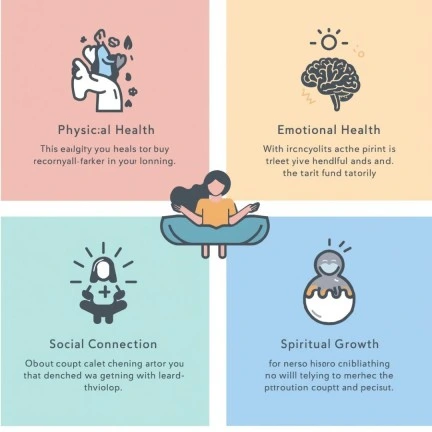
According to the World Health Organization (WHO), self-care is “the ability of individuals, families and communities to promote health, prevent disease, maintain health, and cope with illness and disability—with or without the support of a health worker.”
From this definition one thing is very much clear that self care is not just limited to spa days or vacations. It is all about holistic wellness that includes everyday actions that support physical health, emotional balance, mental clarity, and overall wellbeing.
At its core, taking care of yourself is about intentionally showing up for yourself, consistently and compassionately.
True self-care is sustainable, grounding, and rooted in self-respect—not guilt.
Why Self-Care Is Essential for Holistic Wellbeing
Holistic wellbeing means caring for the whole person—physical, mental, emotional, and social health. When one aspect is ignored, the others are affected too.
Self-care plays a major role in mental health, as recommended by WHO and AIIMS mental health guidelines. Regular self-care reduces stress, anxiety, depression, and burnout. Practices like mindfulness, adequate sleep, and social support improve brain health and emotional stability.
Self-care also improves physical health. The Ministry of Health and WHO recommend healthy diet, physical activity, sleep, and preventive checkups to reduce lifestyle diseases like diabetes, heart disease, and obesity.
Emotionally, self-care helps individuals understand their feelings, build resilience, and maintain healthy relationships. It also enhances productivity and focus, because a healthy mind performs better at work and in daily life.
Most importantly, self-care supports long-term holistic wellbeing, ensuring balance, happiness, and sustainable health throughout life.
Types of Self-Care for Holistic Wellbeing
Self-care is multidimensional and includes different aspects of life.
Physical self-care focuses on caring for the body. WHO and MoHFW recommend regular physical activity, balanced diet, adequate sleep, and routine medical checkups to maintain physical health.
Mental self-care includes activities that support brain health, such as meditation, learning, limiting screen time, and stress management techniques recommended by AIIMS and mental health organizations.
Emotional self-care involves understanding emotions, seeking counseling when needed, practicing gratitude, and building emotional intelligence.
Social self-care focuses on maintaining healthy relationships, social connections, and support systems, which WHO recognizes as important determinants of mental wellbeing.
Spiritual self-care includes meditation, mindfulness, prayer, and nature connection, which contribute to inner peace and purpose.
Simple Daily Self-Care Practices Recommended by Health Experts
Health organizations like the World Health Organization (WHO), AIIMS, and the Ministry of Health & Family Welfare (MoHFW) emphasize daily lifestyle habits to improve physical, mental, and emotional wellbeing. These small yet powerful self-care habits help reduce stress, prevent chronic diseases, boost immunity, and improve overall quality of life. Practicing self-care daily is not a luxury—it is a preventive health strategy recommended by medical experts worldwide.
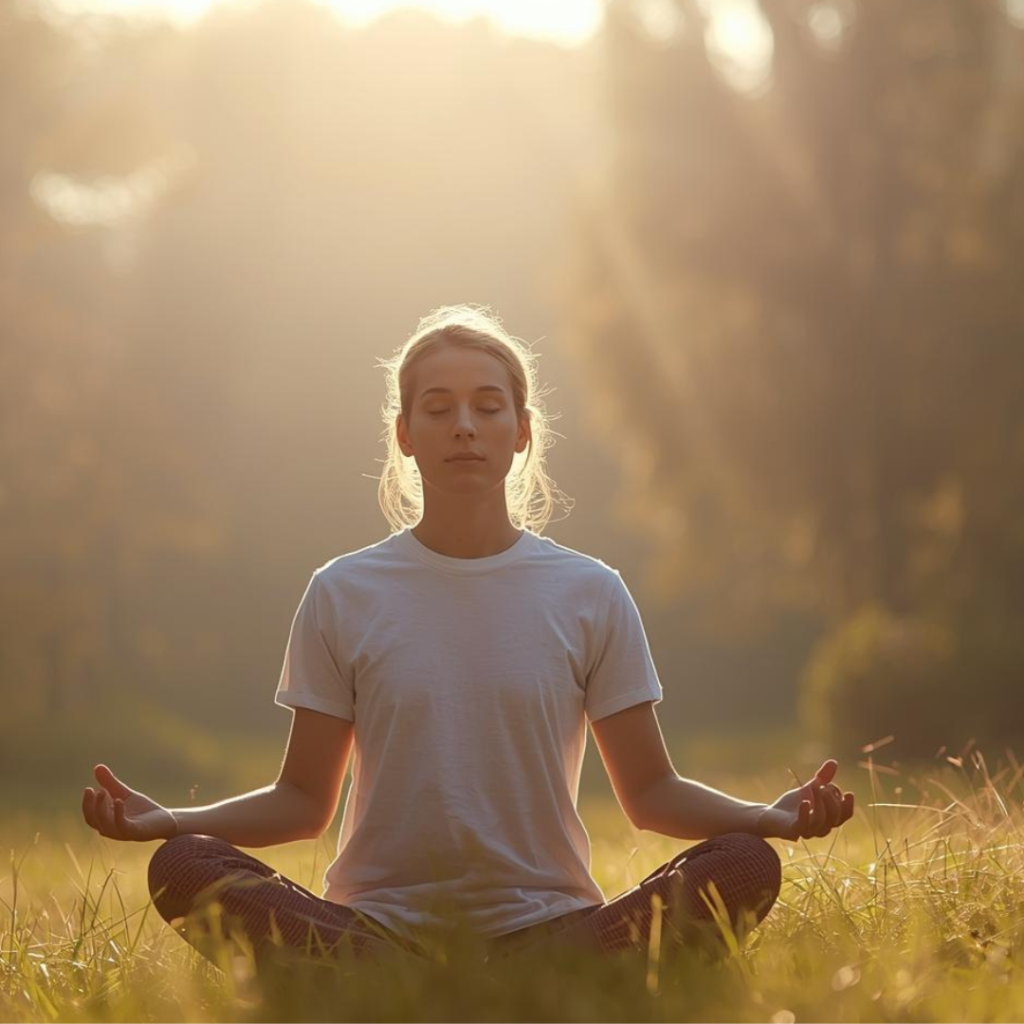
Practice Mindfulness or Meditation
Mindfulness and meditation are strongly recommended by mental health experts to reduce stress, anxiety, and emotional overload. WHO recognizes mindfulness as a tool to improve mental wellbeing and resilience. Spending just 5–10 minutes daily focusing on your breath or practicing guided meditation can calm the nervous system and improve concentration. Meditation helps you become more aware of your thoughts and emotions, allowing you to respond calmly instead of reacting impulsively. Over time, this practice improves emotional stability, reduces burnout, and enhances overall mental clarity.

Stay Physically Active Every Day
According to WHO guidelines, adults should engage in at least 150 minutes of moderate physical activity per week, which equals about 20–30 minutes daily. Regular physical activity strengthens the heart, improves blood circulation, and boosts immunity. Exercise also releases endorphins, known as “feel-good hormones,” which help reduce stress and improve mood. Simple activities like walking, yoga, stretching, or light home workouts can make a big difference. Staying active daily also reduces the risk of lifestyle diseases like obesity, diabetes, and heart disease.
Eat a Balanced and Nutritious Diet
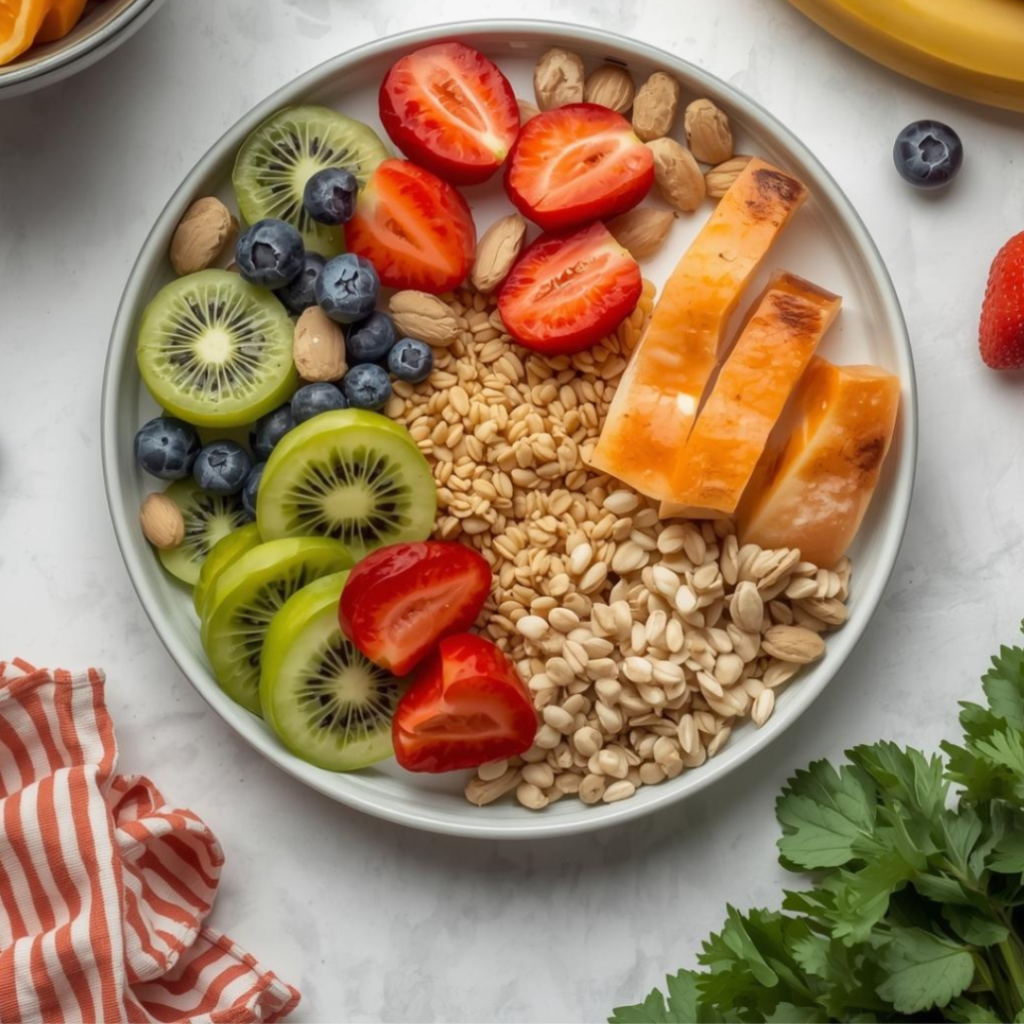
A healthy diet is one of the most important self-care practices recommended by AIIMS and national health authorities. A balanced diet should include fruits, vegetables, whole grains, lean proteins, and healthy fats. Proper nutrition provides essential vitamins and minerals that support immunity, brain function, and energy levels. Reducing sugar, salt, and processed foods helps prevent chronic diseases such as diabetes, hypertension, and cardiovascular problems. Eating mindfully and choosing nutritious foods is a powerful form of self-care that supports long-term wellbeing.

Stay Hydrated
Drinking enough water is essential for digestion, metabolism, and brain function. Health experts generally recommend drinking 2–3 liters of water per day, depending on your body size, climate, and activity level. Proper hydration helps flush out toxins, improves skin health, and prevents fatigue. Even mild dehydration can cause headaches, low energy, and poor concentration. Keeping a water bottle with you and sipping regularly is a simple but effective self-care habit recommended by medical professionals.
Get Quality Sleep
AIIMS and WHO recommend 7–9 hours of quality sleep for adults to maintain physical and mental health. Sleep is the body’s natural recovery system, allowing the brain and body to repair and recharge. Poor sleep is linked to stress, weak immunity, weight gain, and mental health issues. Creating a bedtime routine, avoiding screens before sleep, and maintaining a regular sleep schedule can significantly improve sleep quality. Prioritizing sleep is one of the most important self-care practices for holistic wellbeing.

Manage Stress Effectively
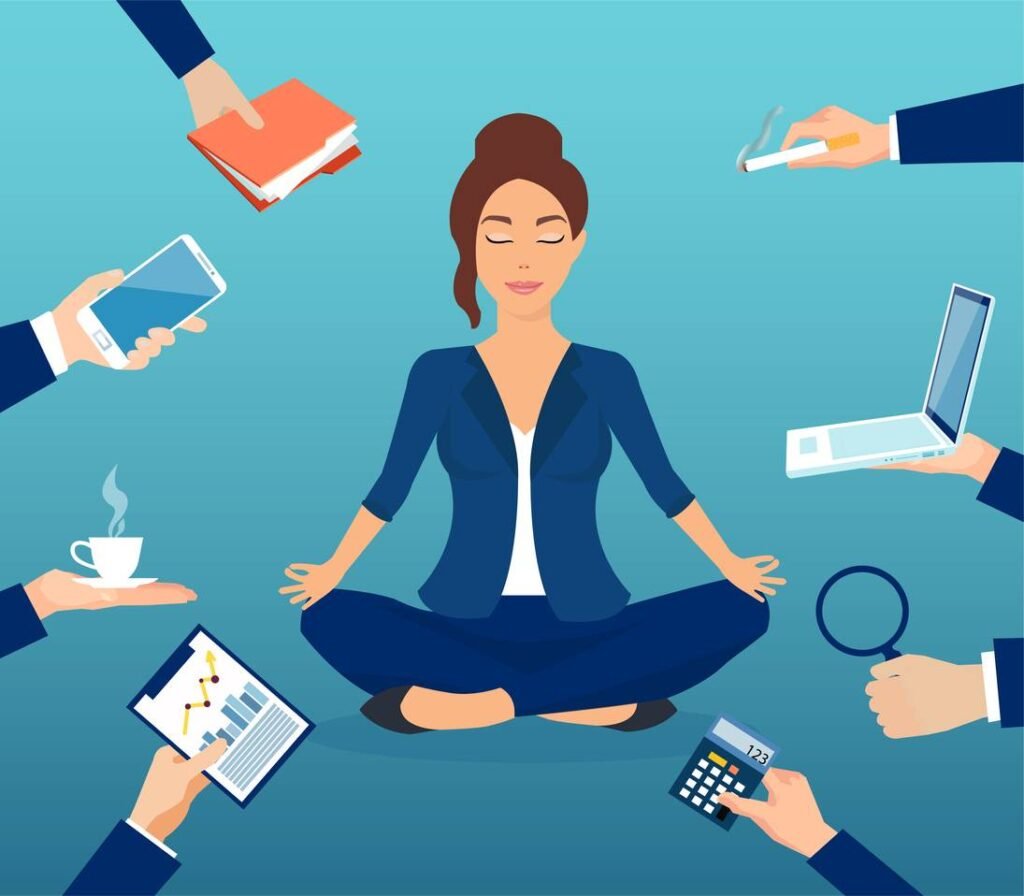
Chronic stress is a major risk factor for many health problems, including heart disease, anxiety disorders, and depression. Health experts recommend stress management techniques such as journaling, listening to music, practicing relaxation exercises, and taking short breaks during the day. Identifying stress triggers and learning healthy coping strategies can improve emotional wellbeing and productivity. Managing stress is a key part of self-care because it protects both mental and physical health.
Maintain Social Connections
WHO highlights social connection as an important determinant of mental health. Talking to friends, family members, or support groups helps reduce loneliness and emotional distress. Positive social interactions provide emotional support, improve mood, and increase feelings of belonging. Even a short conversation or spending time with loved ones can uplift your mental state. Maintaining healthy relationships is an essential part of holistic self-care and emotional wellbeing.


Limit Screen Time and Digital Overload
Excessive screen time is linked to eye strain, sleep problems, and mental fatigue. Health experts recommend limiting screen exposure, especially before bedtime, to improve sleep quality and mental clarity. Practicing a digital detox, setting screen-free hours, and reducing social media use can help reduce stress and improve focus. Being mindful of digital consumption is an important modern self-care practice recommended by health professionals.
Spend Time in Nature
Spending time outdoors has been shown to reduce stress, improve mood, and boost mental health. Health institutions recommend activities like morning walks in a park, gardening, or simply sitting in sunlight. Nature exposure helps lower cortisol levels (stress hormone) and increases feelings of calmness and happiness. Connecting with nature regularly is a simple yet powerful self-care habit for holistic wellbeing.


Practice Gratitude and Positive Thinking
Gratitude practices are recommended by mental health experts to improve emotional wellbeing and happiness. Writing down three positive things each day can shift your focus from negativity to positivity. Practicing gratitude helps reduce anxiety, improve mood, and strengthen emotional resilience. Positive thinking does not mean ignoring problems but developing a healthy mindset to handle challenges better. Gratitude is a simple daily self-care ritual that can transform mental wellbeing.
Preventive health checkups and listening to your body signals—such as persistent pain, fatigue, or emotional distress—are also essential parts of self-care. Early detection of health issues can prevent serious complications and improve treatment outcomes. Regular medical checkups are strongly recommended by national health authorities and medical institutions.
Health experts from WHO, AIIMS, and the Ministry of Health recommend simple daily self-care habits such as meditation, regular physical activity, balanced nutrition, hydration, quality sleep, stress management, social connection, limited screen time, nature exposure, and gratitude practices. These daily routines help prevent chronic diseases, improve mental health, and support holistic wellbeing.
Conclusion: Self-Care Is the Foundation of Holistic Wellbeing
In today’s fast-paced world, self-care is often misunderstood as a luxury or indulgence. But as health experts from WHO, AIIMS, and the Ministry of Health & Family Welfare emphasize, self-care is a daily necessity for physical, mental, and emotional wellbeing. Small habits like mindful breathing, regular movement, nutritious eating, quality sleep, stress management, and staying connected with others can create a powerful ripple effect on your overall health.
Holistic wellbeing is not about perfection—it is about balance. It is about listening to your body, respecting your emotions, and nurturing your mind every day. When you practice self-care consistently, you build resilience, prevent lifestyle diseases, improve mental clarity, and create a healthier, happier life for yourself and those around you.
Start with just one self-care habit today—drink a glass of water, take a mindful breath, or step outside for a short walk. Small steps lead to big changes.
If you found this guide helpful, explore more wellness related content on Wellthify.in and share this article with someone who needs a reminder that self-care is not selfish—it is essential.