
From Understanding Diabetes to Managing Blood Sugar: A Guide to Healthier Living
Forget what you think you know about Causes of diabetes. Today, we’re not just listing causes and symptoms—we’re translating a language. Your body is having a continuous, silent conversation through your blood sugar. It’s time to learn how to listen.
This isn’t another generic health article. We’re diving into the unspoken dialogue between your lifestyle, your cells, and your energy. Let’s decode the messages.
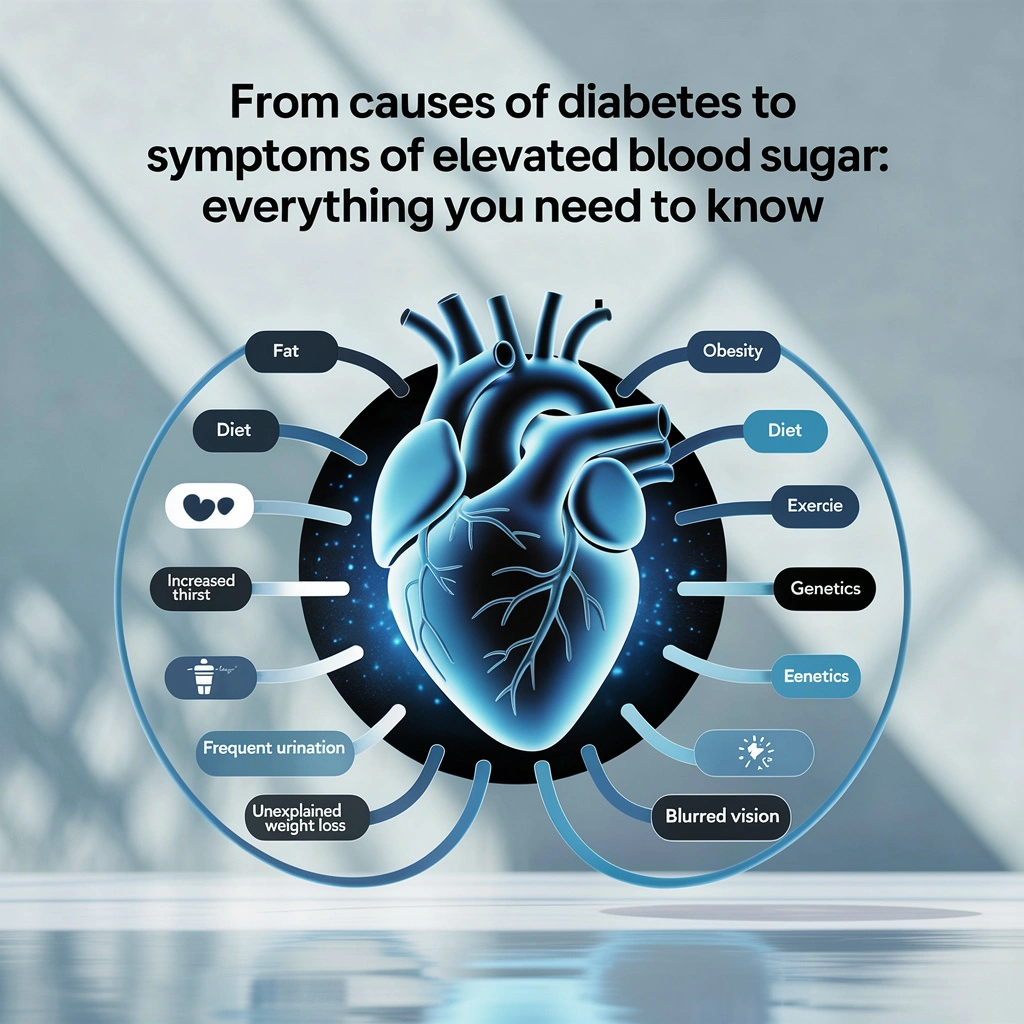
Part 1: The "Why" – Understanding the Hidden Causes of Diabetes
Most articles will tell you the textbook causes. Let’s connect them to modern life in a way that finally makes sense. Think of these not as isolated faults, but as conversation breakdowns.
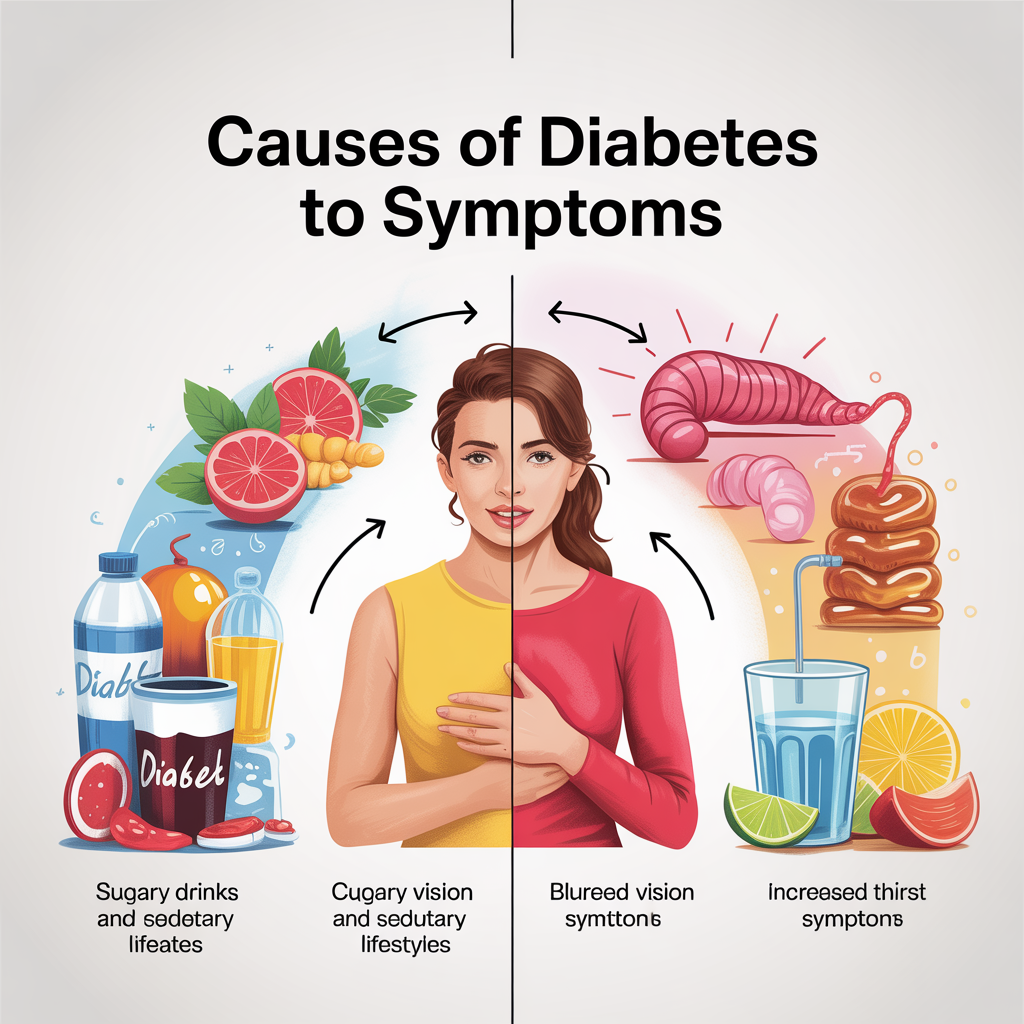
1. The Insulin "Lost in Translation" Problem
Your pancreas sends out insulin (a key) to open cells (doors) for glucose (energy). Type 2 diabetes isn’t always a lack of keys—it’s often that the locks (cell receptors) get rusty and stop responding. This is insulin resistance.
Modern Trigger: A constant stream of highly processed carbs and sugars means your pancreas is shouting “INSULIN!” all day long. Eventually, the cells stop listening. It’s communication fatigue.
2. The "Misdirected Immune Response" – A Case of Mistaken Identity
In Type 1 diabetes, the immune system, the body’s security team, mistakenly destroys the insulin-producing cells in the pancreas. It’s not a lifestyle-caused conversation breakdown; it’s an internal system error.
The Modern Lens: While genetics set the stage, researchers are looking at environmental “triggers” (like certain viruses) that might issue the false order. The body stops the conversation before it can even begin.
3. The Stress & Sleep Sabotage (The Overlooked Influencers)
Here’s where most articles stop. Let’s go deeper.
Chronic Stress: Releases cortisol, which tells your liver to dump stored glucose into your blood—a primal “fight or flight” response. In modern life, with constant work stress, this signal is always on, flooding the system.
Poor Sleep: Disrupts the hormones that regulate appetite and insulin sensitivity. It’s like trying to have a clear conversation after an all-nighter—everything gets miscommunicated.
Part 2: The "Listen Up" – Decoding Symptoms of Elevated Blood Sugar
Elevated blood sugar symptoms are your body’s way of turning up the volume when you’ve missed its quiet whispers. They are physical manifestations of a system overwhelmed.
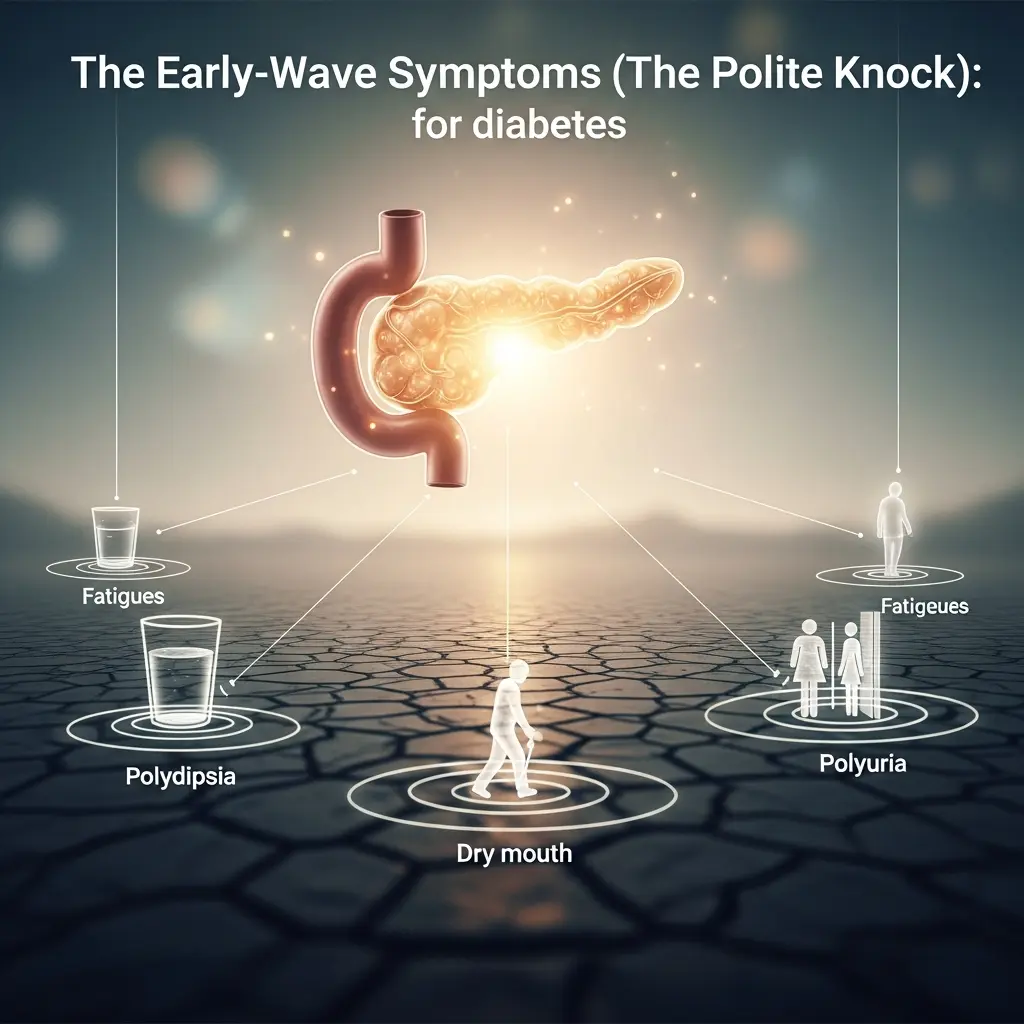
The Early-Wave Symptoms (The Polite Knock):
Energy Rollercoaster: Feeling sudden fatigue after a meal? That’s your cells politely saying, “We didn’t get that energy delivery.” The glucose is stuck in your bloodstream.
Blurred Vision: High blood sugar can pull fluid from your eye lenses, affecting their ability to focus. It’s a literal blurring of your world, asking you to look closer.
The Never-Ending Thirst & Bathroom Cycle: Your kidneys work overtime to filter excess sugar, pulling fluids from tissues. You become a desert asking for water, leading to frequent urination. It’s a desperate plumbing fix for a chemical problem.
The Escalated Signals (The Persistent Alarm):
Unexplained Weight Loss (with increased appetite): A paradoxical red flag. With no glucose entering cells for fuel, your body starts burning muscle and fat for energy. You’re eating but starving at a cellular level.
Slow Healing & Frequent Infections: Sugar-rich blood is a breeding ground for bacteria and impairs circulation. A simple cut becomes a prolonged project. Your body is showing you its impaired repair protocol.
Tingling Hands or Feet (Neuropathy): Consistently high sugar can injure tiny nerve capillaries. That tingling or numbness is the nerve’s final, distressed signal before the line goes quiet.
The New Paradigm: Blood Sugar as a Messenger, Not a Villain
The revolutionary thought? Elevated blood sugar isn’t the root problem; it’s the most visible symptom of the broken conversation. It’s the alarm bell, not the fire.
Your Action Plan: How to Restore the Dialogue
Become a Carbohydrate Conversationalist: Don’t fear all carbs. Choose complex ones (whole grains, veggies) that “speak” slowly to your system, not the rapid shouting of simple sugars.
Move with Purpose: Muscle movement is like a cell’s listening exercise—it dramatically improves insulin sensitivity. A 15-minute walk after a meal is a powerful peace treaty.
Prioritize Sleep & Manage Stress: This isn’t fluff. It’s basic system maintenance for clear hormonal communication. Meditation, walking, and sleep hygiene are dialect lessons for your body. for workout plan that help you to improve your health click here
Conclusion: The Conversation is Yours to Have
Diabetes causes are often framed as personal failures. They are not. They are a complex interplay of genetics and environment. Diabetes symptoms, especially those of elevated blood sugar, are not punishments. They are critical feedback.
Listen to the whispers—the afternoon slump, the unexplained thirst. Heed them before they become shouts. Your body is in constant conversation with you. The most profound health step you can take is to learn its language.
Start the dialogue today.
FAQ Section (For Readers & Search Engines)
Q: What are the main causes of diabetes?
A: Causes vary by type. Type 1 is an autoimmune condition. Type 2 is primarily driven by insulin resistance, influenced by genetics, diet, physical inactivity, and excess weight. Gestational diabetes occurs during pregnancy due to hormonal shifts. Now more
Q: What are the most common diabetes symptoms?
A: Key symptoms include excessive thirst, frequent urination, extreme fatigue, unexplained weight loss, blurred vision, and slow-healing wounds. These are often signs of elevated blood sugar.
Q: What are specific symptoms of elevated blood sugar?
A: Beyond common diabetes symptoms, watch for increased hunger, headaches, difficulty concentrating, dry mouth, and a tingling sensation in hands or feet. These indicate your blood glucose is chronically high.
Q: Can you have elevated blood sugar without having diabetes?
A: Yes, conditions like prediabetes involve elevated blood sugar levels that are not yet high enough for a type 2 diabetes diagnosis. This is a critical warning stage to take action.
Q: Where should I start if I recognize these symptoms?
A: Schedule an appointment with your doctor. A simple HbA1c or fasting blood glucose test can provide clarity. Early intervention is the most powerful step you can take.