
Sedentary Lifestyle Health Risks: 7 Truths You Must Know
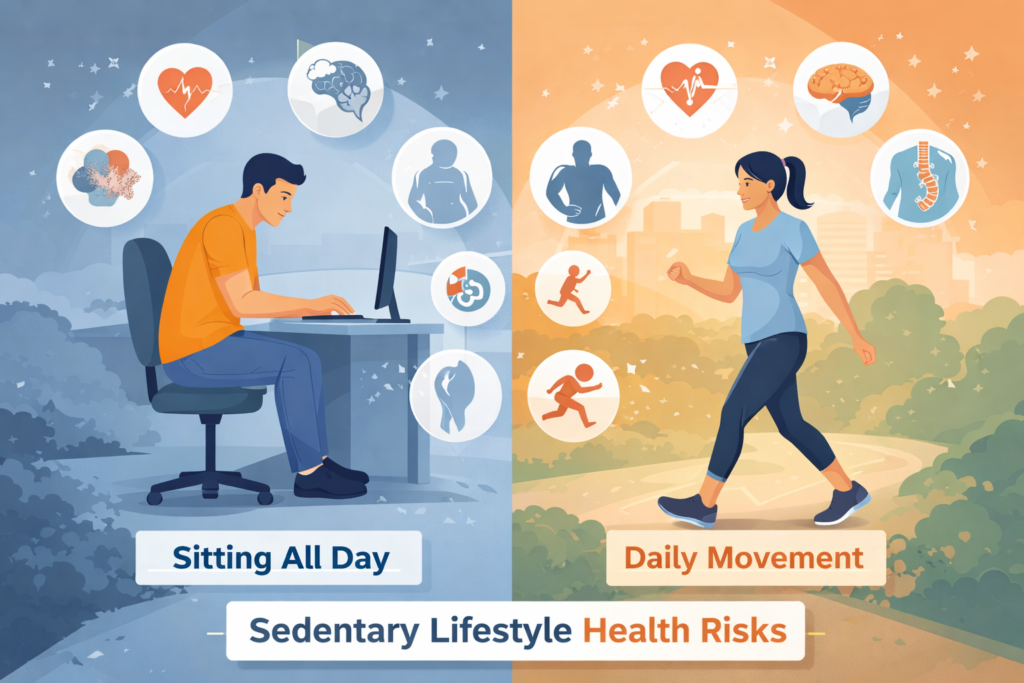
Sedentary lifestyle health risks are becoming one of the biggest challenges of modern living. From office work to endless scrolling on phones, many people spend hours sitting without realizing how it affects their body. While convenience and technology make life easier, they also reduce natural movement that once came from daily routines.
A sedentary routine doesn’t just affect physical fitness, it influences energy levels, posture, metabolism, and even mental clarity. Understanding how inactivity shapes your health is the first step toward building a more balanced lifestyle.
What Does a Sedentary Lifestyle Really Mean?
A sedentary lifestyle refers to spending long periods sitting or lying down with minimal physical activity. Desk jobs, gaming, long commutes, and excessive screen time all contribute to sedentary lifestyle health risks that many people overlook.
It’s important to know that even individuals who exercise occasionally can still experience negative effects if they remain inactive for most of the day. Movement throughout the day matters just as much as structured workouts.
Short walks, standing breaks, or stretching sessions may seem small, but they significantly reduce sedentary lifestyle health risks over time.
How Modern Habits Increase Sedentary Lifestyle Health Risks
One of the biggest reasons sedentary lifestyle health risks continue to grow is that modern routines are designed around convenience rather than movement. Work-from-home setups, long office hours, and digital entertainment make it easy to remain seated for most of the day without even noticing how little we move. Over time, this lack of regular activity affects circulation, muscle engagement, and even breathing patterns. Many people assume that a short workout in the evening cancels out hours of inactivity, but research suggests that prolonged sitting creates its own set of challenges regardless of occasional exercise. This is why experts recommend breaking up long sitting periods with light movement instead of waiting for a single workout session. Simple adjustments like standing while checking emails, walking during phone calls, or stretching between tasks can gradually reduce sedentary lifestyle health risks without disrupting productivity.
Another overlooked factor is how environment shapes behavior. When your workspace encourages stillness, such as having everything within arm’s reach, the body naturally adopts a more passive posture. Creating small environmental cues can make a difference, such as placing a water bottle farther away so you stand up more often, or setting reminders to shift positions every hour.
These tiny habits may seem insignificant individually, but together they help counter sedentary lifestyle health risks by promoting consistent movement throughout the day. Mental health also plays a role here; gentle activity increases blood flow to the brain, which can improve mood and focus. Many people report feeling more alert after brief walking breaks, showing that movement benefits both physical and cognitive well-being.
It’s important to remember that reducing sedentary lifestyle health risks doesn’t require extreme fitness routines or drastic lifestyle changes. The goal is to build a rhythm of natural movement that feels sustainable rather than forced. Choosing activities you enjoy, whether it’s stretching, light yoga, or casual walks, makes it easier to stay consistent. Over time, these small shifts create a foundation for a more active lifestyle, proving that meaningful health improvements often come from simple, repeatable actions rather than intense short-term effort.

7 Simple Truths About Sedentary Lifestyle Health Risks
1. Sitting Too Long Slows Your Metabolism
When the body stays still for extended periods, calorie burning slows down. Over time, this can lead to weight gain and fatigue — two common outcomes linked to sedentary lifestyle health risks.
2. Posture Problems Become Common
Slouching at desks or staring down at phones affects spinal alignment. Many people experience neck and back pain because they underestimate sedentary lifestyle health risks connected to poor posture.
3. Energy Levels Drop Without Movement
Ironically, staying inactive can make you feel more tired. Light movement boosts blood flow and oxygen delivery, helping reduce sedentary lifestyle health risks linked to fatigue.
4. Mental Focus Can Decline
Long periods without movement affect brain alertness. Short activity breaks help reset focus and reduce the cognitive effects associated with sedentary lifestyle health risks.
5. Small Habits Make the Biggest Difference
You don’t need intense workouts to see improvement. Consistency matters more than intensity when managing sedentary lifestyle health risks.
6. Rest Days Are Not the Same as Inactivity
Rest is essential for recovery, but inactivity is different. Structured rest still includes gentle movement to avoid sedentary lifestyle health risks.
7. Lifestyle Design Beats Motivation
Creating a workspace that encourages movement — standing desks, reminders, or walking meetings — helps prevent sedentary lifestyle health risks naturally.
Daily Habits That Reduce Sedentary Lifestyle Health Risks
Instead of thinking about drastic changes, focus on small adjustments you can maintain long term.
Take short standing breaks every 30–60 minutes.
Use stairs instead of elevators when possible.
Stretch your shoulders and hips during work hours.
Schedule quick walks after meals.
These micro-habits gradually reduce sedentary lifestyle health risks without overwhelming your routine.
Active Lifestyle vs Sedentary Lifestyle: What’s the Real Difference?
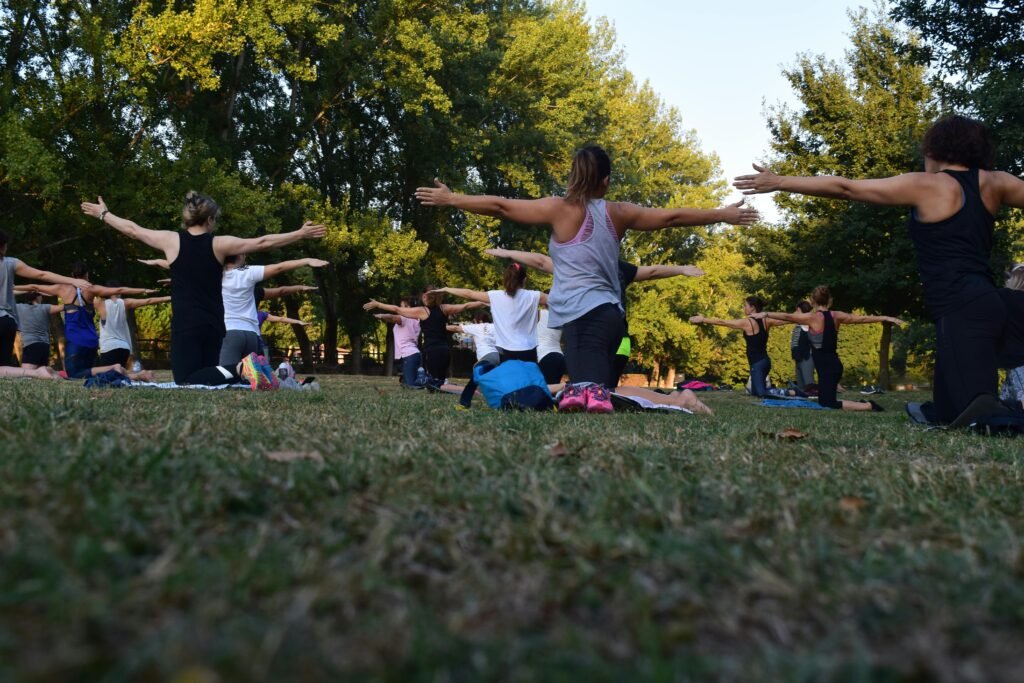
An active lifestyle doesn’t necessarily mean spending hours at the gym. It simply means integrating movement into daily life. Walking while taking calls, light stretching between tasks, or choosing hobbies that involve physical activity can lower sedentary lifestyle health risks significantly.
Many people believe they need a perfect workout plan, but sustainable movement patterns matter more than occasional intense effort.
Why Awareness Matters More Than Perfection
The biggest mistake people make is assuming change requires a complete lifestyle overhaul. In reality, awareness alone can shift behavior. Recognizing how your daily routine contributes to sedentary lifestyle health risks allows you to make gradual improvements without pressure.
According to global health guidance, reducing inactivity is just as important as structured exercise.
Learning from trusted health resources helps you build habits based on science rather than trends.

Final Thoughts: Building a Balanced Movement Routine
Modern life may encourage stillness, but small daily actions can create powerful change. Whether it’s standing more often, stretching during breaks, or choosing movement-friendly habits, reducing sedentary lifestyle health risks is about consistency — not perfection.
By understanding how inactivity affects your body and making simple adjustments, you can create a healthier lifestyle that supports long-term energy, focus, and well-being.